
Thought Leadership
Practical wisdom, tools, and resources for leaders committed to growth & wholeness.
Explore our growing library of writings, videos, and practical insight on leadership, self-leadership, organizational health, trust, clarity, formation, and the inner life of leaders.

AI Can’t Lead Your People for You
For a brief, shiny moment, many leaders hoped artificial intelligence might rescue them from the parts of leadership they secretly resent: hard conversations, emotional ambiguity, decision fatigue, unclear expectations, team drama, and the slow work of building trust. AI can do many things, but it cannot be you.

The Leadership Challenge No One Warns You About
The greatest leadership challenges aren't strategic—they're personal. As success grows, leaders face deeper questions about wisdom, character, relationships, and who they're becoming. This article explores why leadership eventually becomes an inside job and how leaders can flourish without sacrificing what matters most.

The Hire You Like May Not Be the Hire You Need
The hire you like may not be the hire you need. Wise leaders look beyond résumé strength and interview chemistry to assess competence, role fit, values alignment, and readiness.

The Hard Conversations You’re Avoiding Are Already Happening
The hard conversation a leader avoids is often already happening somewhere else. Avoidance weakens trust, creates ambiguity, and teaches teams to survive the leader rather than trust them.

Why Most Leadership Forums Stay at the Surface
Many leadership forums stay shallow because they lack skilled facilitation, thoughtful curriculum, and a path of deeper formation. Leaders need more than impressive rooms. They need places where wisdom, honesty, courage, and maturity can grow.

Does Your Company Have a Management Addiction?
Performance metrics are useful, but they’re not enough. Healthy organizations need leaders who can interpret the human reality beneath the numbers and build cultures of trust, clarity, maturity, and sustainable performance.

After Success: How Leaders Discern What’s Next
Success can bring leaders to a new threshold, but it does not automatically create clarity. This blog explores how successful leaders discern what’s next with wisdom, humility, courage, and freedom.

Work-Life Balance Is a Myth: What Integrated Leadership Requires
Work-life balance sounds good, but it often fails leaders because leadership cannot be neatly separated from life. Integrated leadership invites leaders to become whole enough to carry responsibility with wisdom, clarity, trust, and presence.

The Leadership Vacuum: Why Good Leaders Must Stop Disappearing
The leadership vacuum in our culture isn’t only caused by bad leaders taking up too much space. It’s also created when good, thoughtful, capable people refuse to step into the responsibility already entrusted to them. This essay explores why leadership begins with presence, courage, and responsibility — and why the work often starts in the small places where influence already exists.

High Achievement Doesn’t Satisfy Everything
Many successful leaders discover that achievement, as good and meaningful as it can be, cannot satisfy the deepest hunger of the soul. This essay explores the quiet restlessness beneath success and invites leaders to build from a deeper place of freedom, wholeness, and wisdom.

You Have EOS. Now You Need a Peer Group. Where Do You Start?
EOS gives leaders structure, rhythm, and traction. But many founders, CEOs, and executive teams eventually need more than tools. This essay explores what to look for in a peer group after implementing EOS and why the next stage of growth often requires better mirrors, deeper trust, and a guided room for leadership formation.

Leadership Development Groups in Nashville: A Comparison
Nashville has several strong leadership development options. This comparison helps leaders understand the difference between peer groups, civic programs, executive education, skill-building programs, and Council Leadership’s whole-person approach to leadership formation.

Trust Leadership: The Metric You Can’t Afford to Ignore
Trust isn't simply one quality of effective leadership. It shapes every relationship, conversation, and decision you make. Learn why trust is one of the clearest indicators of leadership health and how it influences the culture you create.

Leadership Is Not a Recipe. It’s a Practice.
Leadership is not a recipe to follow. It is a practice that requires attention, repetition, humility, correction, and growth. This essay explores why self-leadership shapes the way leaders mentor others, lead teams, build trust, and carry responsibility with wisdom.

Why Leaders Must Lead Themselves First
If leaders do not practice self-leadership, the people around them often carry what the leader refuses to face. This essay explores why leading yourself first — and continuing to lead yourself as you go — is foundational to wise, trustworthy, and effective leadership.

Self-Leadership Is More Than Emotional Intelligence
Emotional intelligence matters, but self-leadership goes further. EQ helps leaders notice what’s happening within them, regulate what’s happening through them, and perceive what’s happening around them. Self-leadership asks what they will do with all of that under real responsibility and pressure.

Before the Exit: Why Executive Agreements and Leadership Covenants Matter
Executive agreements are not merely legal documents. They are leadership clarity tools. They help define expectations, authority, accountability, incentives, transition obligations, and exit terms before ambiguity becomes conflict. Paired with an Executive Leadership Covenant, they clarify not only what senior leaders are responsible for, but how that responsibility should be carried—with maturity, trust, dignity, and care.

When Your Biology Hijacks Your Leadership: Self-Leadership and the Nervous System
Our biology is always in the room. The nervous system shapes leadership under pressure that is why unregulated leaders export stress, and how self-leadership helps leaders choose presence instead of threat.

Stewardship, Boundaries, and Legacy: The King/Queen Archetype in Leadership
The King/Queen archetype in leadership enables mature leaders to use vision, boundaries, power, and stewardship to create healthy cultures where people can flourish. This essay invites leaders to examine how they make decisions, hold responsibility, navigate necessary endings, and build a legacy that serves something beyond themselves.
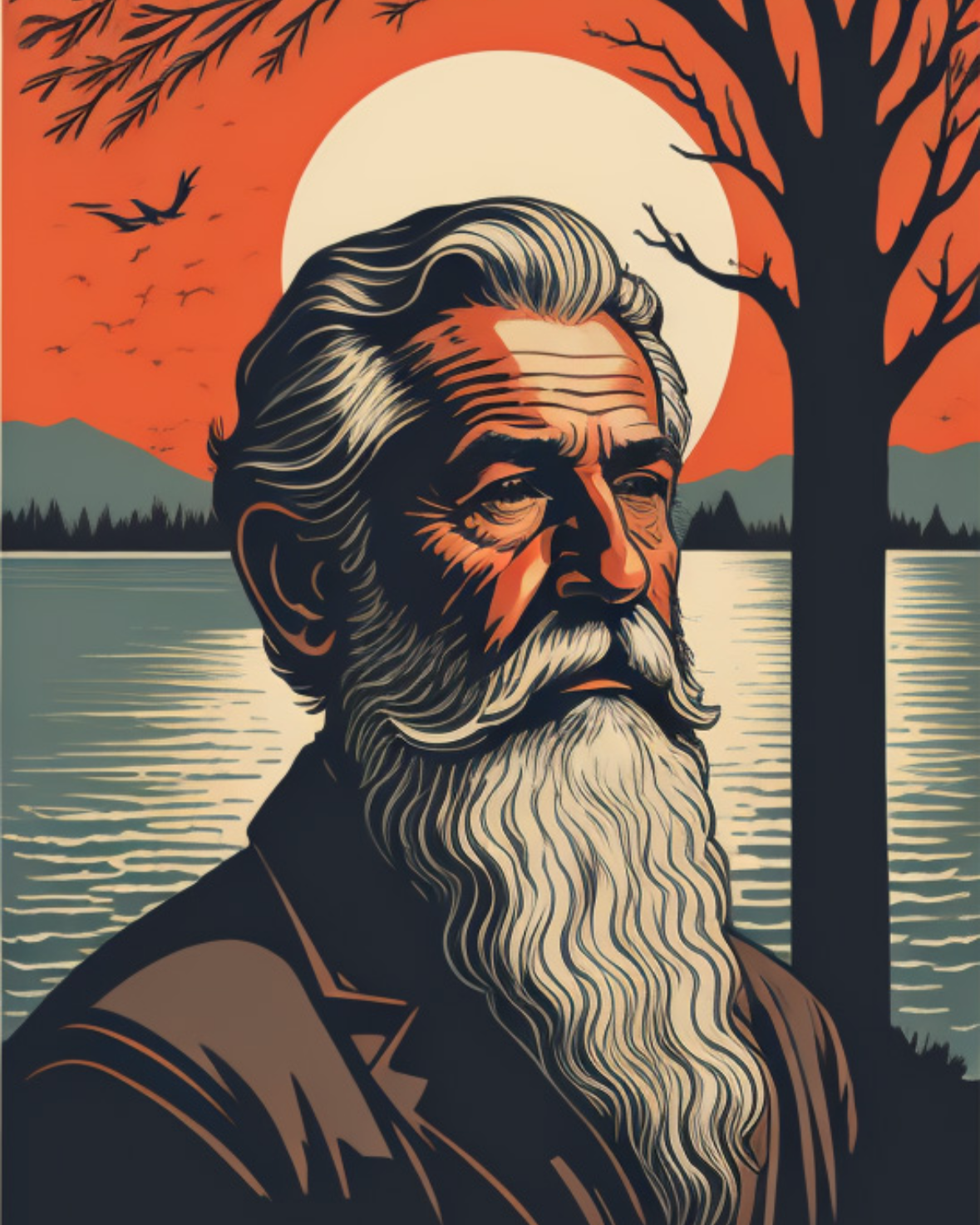
Wisdom, Humility, and Letting Go: The Sage Archetype in Leadership
The Sage helps leaders practice wisdom, humility, curiosity, and perspective, so they can navigate uncertainty, complexity, grief, and change. It invites leaders to move beyond the need for certainty, integrate life experience into wisdom, mentor others generously, and learn the art of knowing when to act, wait, speak, listen, and let go.