
Thought Leadership
Practical wisdom, tools, and resources for leaders committed to growth & wholeness.
Explore our growing library of writings, videos, and practical insight on leadership, self-leadership, organizational health, trust, clarity, formation, and the inner life of leaders.

How to Delegate Without Creating Dependence
Good delegation does more than move work from one person to another. It gets the work done while helping another person develop judgment, ownership, and confidence.

The Ego Is Not the Enemy: A Mature Approach to Ego in Leadership
The ego is not simply an obstacle to good leadership. Much of it began as protection. Mature leaders learn to recognize the old strategies that still shape their decisions, honor what those patterns were trying to protect, and choose responsibility over reflex. The goal is not to eliminate ego, but to become free enough that it no longer runs the show.

How to Lead Through Change Before Change Leads You
Change often begins before anything visibly changes. Whether the transition is professional or personal, leaders have a choice: ignore it, react to it, or engage it intentionally. This essay explores how naming change, asking better questions, and paying attention to the human side of transition can help us move into what comes next with greater clarity, maturity, and purpose.

Why Money Can’t Solve Every Workplace Problem: Rethinking Compensation, Purpose, and Leadership
Money matters, but we often ask compensation to carry questions of worth, recognition, belonging, and purpose that it can’t answer. Stephen James explores how leaders and employees can have more mature conversations about money, meaningful work, and what people truly need from their organizations.

Is This Fair? A Better Way to Handle Fairness at Work
“Is this fair?” sounds like a simple question, but fairness is often more subjective than we admit. Better leadership starts by asking what people actually need, what’s possible, and what responsibility each person has for what comes next.

AI Can’t Lead Your People for You
For a brief, shiny moment, many leaders hoped artificial intelligence might rescue them from the parts of leadership they secretly resent: hard conversations, emotional ambiguity, decision fatigue, unclear expectations, team drama, and the slow work of building trust. AI can do many things, but it cannot be you.

The Leadership Challenge No One Warns You About
The greatest leadership challenges aren't strategic—they're personal. As success grows, leaders face deeper questions about wisdom, character, relationships, and who they're becoming. This article explores why leadership eventually becomes an inside job and how leaders can flourish without sacrificing what matters most.
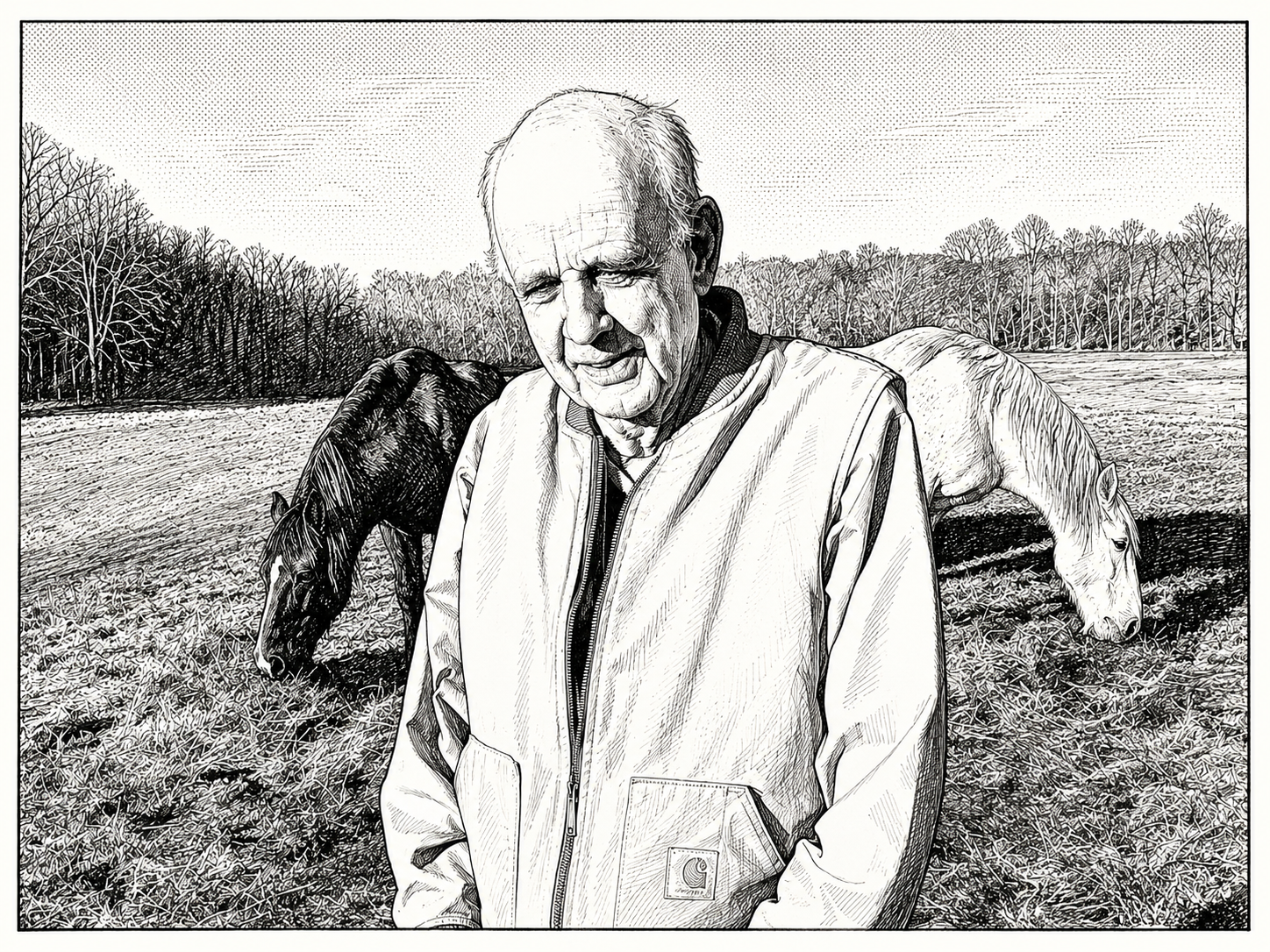
What Wendell Berry Teaches Leaders About Good Work
Wendell Berry was not a leadership theorist, but his writing asks some of leadership's most important questions: What is good work? What is enough? What do we owe one another? And how do we wisely steward what has been placed in our care? His life and work offer leaders a deeper way to think about success, community, responsibility, and human flourishing.

The Hero’s Journey and Leadership: How Transformation Really Happens
The Hero’s Journey offers leaders a powerful way to understand how transformation happens. The leader’s role is not to rescue people from uncertainty or struggle, but to offer presence, perspective, challenge, and support as they develop the courage and capacity to take responsibility for their own journey.
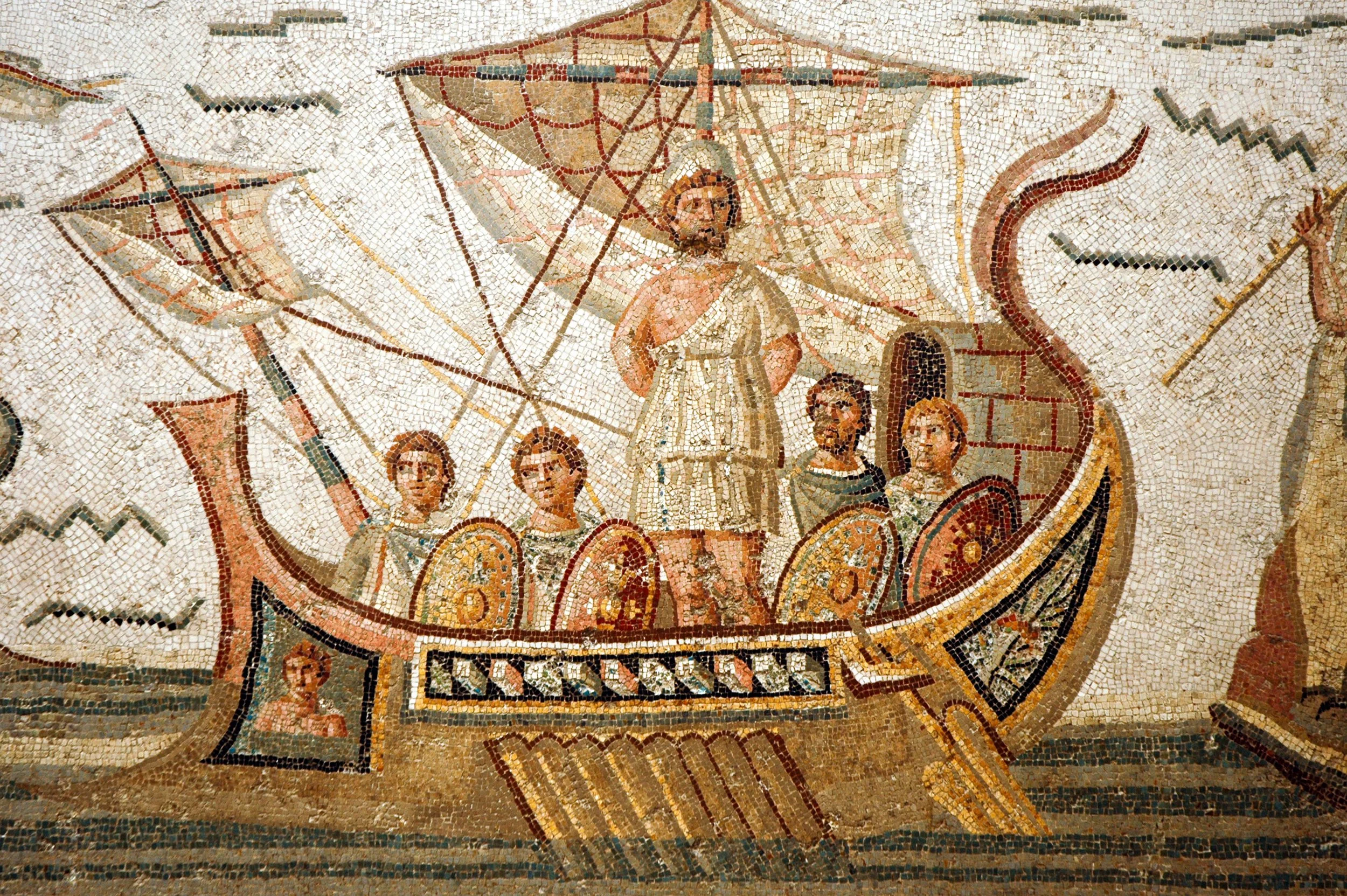
What The Odyssey Teaches Us About Leadership and Coming Home
Odysseus had already won the war, but he still had to find his way home. The Odyssey offers leaders an enduring lesson about ambition, maturity, self-leadership, and returning to what matters without bringing the war with them.

The Hire You Like May Not Be the Hire You Need
The hire you like may not be the hire you need. Wise leaders look beyond résumé strength and interview chemistry to assess competence, role fit, values alignment, and readiness.

The Hard Conversations You’re Avoiding Are Already Happening
The hard conversation a leader avoids is often already happening somewhere else. Avoidance weakens trust, creates ambiguity, and teaches teams to survive the leader rather than trust them.

Why Most Leadership Forums Stay at the Surface
Many leadership forums stay shallow because they lack skilled facilitation, thoughtful curriculum, and a path of deeper formation. Leaders need more than impressive rooms. They need places where wisdom, honesty, courage, and maturity can grow.

Does Your Company Have a Management Addiction?
Performance metrics are useful, but they’re not enough. Healthy organizations need leaders who can interpret the human reality beneath the numbers and build cultures of trust, clarity, maturity, and sustainable performance.

After Success: How Leaders Discern What’s Next
Success can bring leaders to a new threshold, but it does not automatically create clarity. This blog explores how successful leaders discern what’s next with wisdom, humility, courage, and freedom.

Work-Life Balance Is a Myth: What Integrated Leadership Requires
Work-life balance sounds good, but it often fails leaders because leadership cannot be neatly separated from life. Integrated leadership invites leaders to become whole enough to carry responsibility with wisdom, clarity, trust, and presence.

The Leadership Vacuum: Why Good Leaders Must Stop Disappearing
The leadership vacuum in our culture isn’t only caused by bad leaders taking up too much space. It’s also created when good, thoughtful, capable people refuse to step into the responsibility already entrusted to them. This essay explores why leadership begins with presence, courage, and responsibility — and why the work often starts in the small places where influence already exists.

High Achievement Doesn’t Satisfy Everything
Many successful leaders discover that achievement, as good and meaningful as it can be, cannot satisfy the deepest hunger of the soul. This essay explores the quiet restlessness beneath success and invites leaders to build from a deeper place of freedom, wholeness, and wisdom.

You Have EOS. Now You Need a Peer Group. Where Do You Start?
EOS gives leaders structure, rhythm, and traction. But many founders, CEOs, and executive teams eventually need more than tools. This essay explores what to look for in a peer group after implementing EOS and why the next stage of growth often requires better mirrors, deeper trust, and a guided room for leadership formation.

Leadership Development Groups in Nashville: A Comparison
Nashville has several strong leadership development options. This comparison helps leaders understand the difference between peer groups, civic programs, executive education, skill-building programs, and Council Leadership’s whole-person approach to leadership formation.