
Thought Leadership
Practical wisdom, tools, and resources for leaders committed to growth & wholeness.
Explore our growing library of writings, videos, and practical insight on leadership, self-leadership, organizational health, trust, clarity, formation, and the inner life of leaders.

The Ego Is Not the Enemy: A Mature Approach to Ego in Leadership
The ego is not simply an obstacle to good leadership. Much of it began as protection. Mature leaders learn to recognize the old strategies that still shape their decisions, honor what those patterns were trying to protect, and choose responsibility over reflex. The goal is not to eliminate ego, but to become free enough that it no longer runs the show.

How to Lead Through Change Before Change Leads You
Change often begins before anything visibly changes. Whether the transition is professional or personal, leaders have a choice: ignore it, react to it, or engage it intentionally. This essay explores how naming change, asking better questions, and paying attention to the human side of transition can help us move into what comes next with greater clarity, maturity, and purpose.

Why Money Can’t Solve Every Workplace Problem: Rethinking Compensation, Purpose, and Leadership
Money matters, but we often ask compensation to carry questions of worth, recognition, belonging, and purpose that it can’t answer. Stephen James explores how leaders and employees can have more mature conversations about money, meaningful work, and what people truly need from their organizations.

Is This Fair? A Better Way to Handle Fairness at Work
“Is this fair?” sounds like a simple question, but fairness is often more subjective than we admit. Better leadership starts by asking what people actually need, what’s possible, and what responsibility each person has for what comes next.

The Hero’s Journey and Leadership: How Transformation Really Happens
The Hero’s Journey offers leaders a powerful way to understand how transformation happens. The leader’s role is not to rescue people from uncertainty or struggle, but to offer presence, perspective, challenge, and support as they develop the courage and capacity to take responsibility for their own journey.
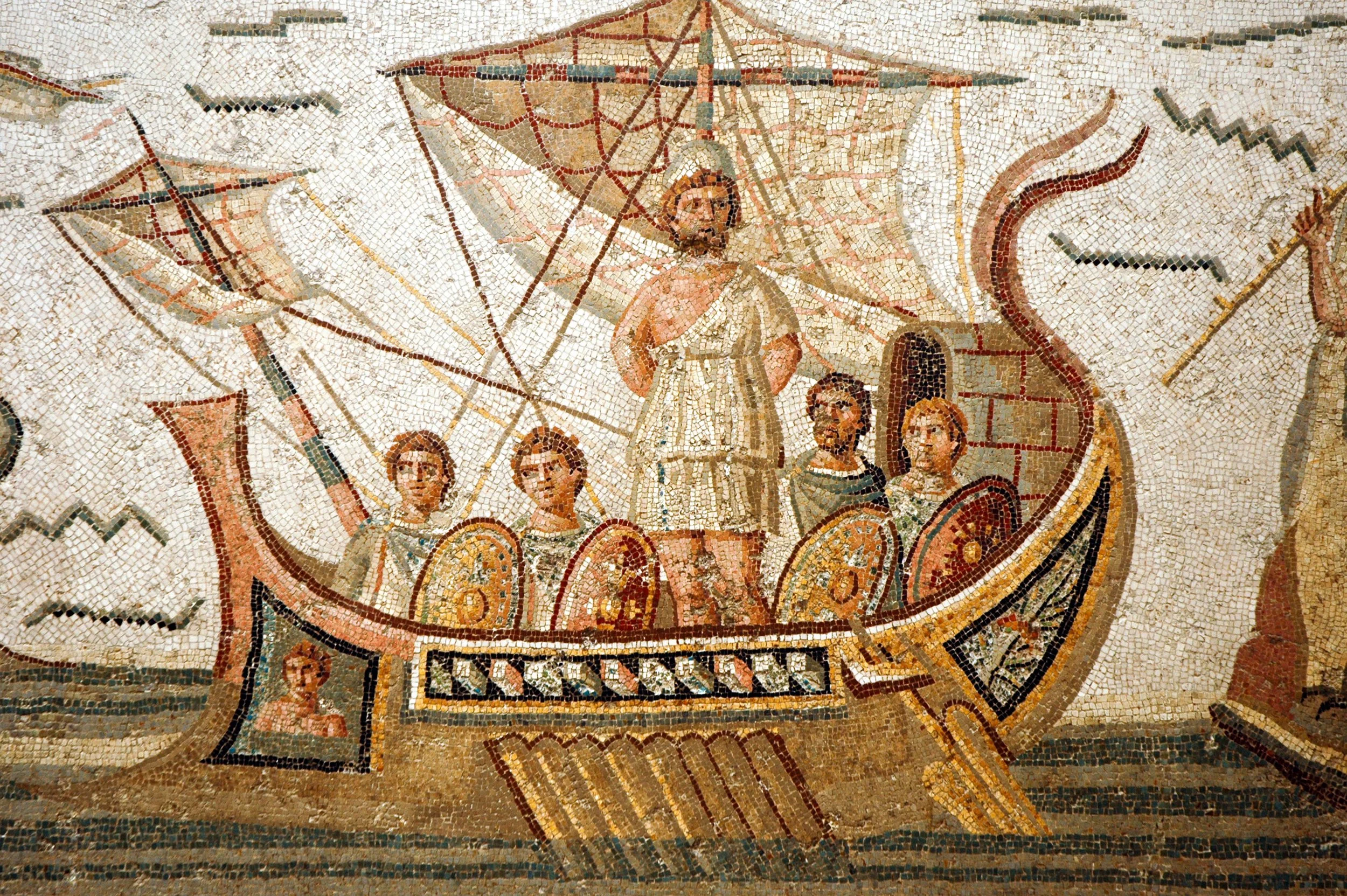
What The Odyssey Teaches Us About Leadership and Coming Home
Odysseus had already won the war, but he still had to find his way home. The Odyssey offers leaders an enduring lesson about ambition, maturity, self-leadership, and returning to what matters without bringing the war with them.

After Success: How Leaders Discern What’s Next
Success can bring leaders to a new threshold, but it does not automatically create clarity. This blog explores how successful leaders discern what’s next with wisdom, humility, courage, and freedom.

Work-Life Balance Is a Myth: What Integrated Leadership Requires
Work-life balance sounds good, but it often fails leaders because leadership cannot be neatly separated from life. Integrated leadership invites leaders to become whole enough to carry responsibility with wisdom, clarity, trust, and presence.

High Achievement Doesn’t Satisfy Everything
Many successful leaders discover that achievement, as good and meaningful as it can be, cannot satisfy the deepest hunger of the soul. This essay explores the quiet restlessness beneath success and invites leaders to build from a deeper place of freedom, wholeness, and wisdom.

You Have EOS. Now You Need a Peer Group. Where Do You Start?
EOS gives leaders structure, rhythm, and traction. But many founders, CEOs, and executive teams eventually need more than tools. This essay explores what to look for in a peer group after implementing EOS and why the next stage of growth often requires better mirrors, deeper trust, and a guided room for leadership formation.

Leadership Development Groups in Nashville: A Comparison
Nashville has several strong leadership development options. This comparison helps leaders understand the difference between peer groups, civic programs, executive education, skill-building programs, and Council Leadership’s whole-person approach to leadership formation.

Leadership Is Not a Recipe. It’s a Practice.
Leadership is not a recipe to follow. It is a practice that requires attention, repetition, humility, correction, and growth. This essay explores why self-leadership shapes the way leaders mentor others, lead teams, build trust, and carry responsibility with wisdom.

Why Leaders Must Lead Themselves First
If leaders do not practice self-leadership, the people around them often carry what the leader refuses to face. This essay explores why leading yourself first — and continuing to lead yourself as you go — is foundational to wise, trustworthy, and effective leadership.

Self-Leadership Is More Than Emotional Intelligence
Emotional intelligence matters, but self-leadership goes further. EQ helps leaders notice what’s happening within them, regulate what’s happening through them, and perceive what’s happening around them. Self-leadership asks what they will do with all of that under real responsibility and pressure.

When Your Biology Hijacks Your Leadership: Self-Leadership and the Nervous System
Our biology is always in the room. The nervous system shapes leadership under pressure that is why unregulated leaders export stress, and how self-leadership helps leaders choose presence instead of threat.

Leadership Growth Requires Discomfort. Are You Willing to Lean Into It?
Every leader wants to grow, but growth rarely happens without discomfort. Discover why leaning into difficult conversations, honest feedback, and moments of uncertainty can become the catalyst for deeper leadership formation.

Courage, Discipline, and Purpose: The Warrior Archetype in Leadership
Leaders often face moments when courage, discipline, and decisive action are required. This blog explores the Warrior archetype in leadership, showing how healthy Warrior energy helps leaders set goals, overcome obstacles, build resilience, and act with integrity. By recognizing both the gifts and shadows of the Warrior, leaders can move beyond fear, shame, over functioning, or avoidance and learn to lead with courage, purpose, and heart.

Empathy, Connection, & Heart: The Lover Archetype in Leadership
Explore the Lover archetype in leadership and learn how empathy, emotional intelligence, vulnerability, and connection help leaders build trust, restore humanity, and lead with heart.

Stewardship, Boundaries, and Legacy: The King/Queen Archetype in Leadership
The King/Queen archetype in leadership enables mature leaders to use vision, boundaries, power, and stewardship to create healthy cultures where people can flourish. This essay invites leaders to examine how they make decisions, hold responsibility, navigate necessary endings, and build a legacy that serves something beyond themselves.

The 4 Ancient Archetypes of Leadership
Leaders often face moments when the old ways of leading no longer work. This blog explores four ancient leadership archetypes—Warrior, Lover, King/Queen, and Sage—to help leaders grow in self-awareness, emotional intelligence, decision-making, relational leadership, and legacy. By learning to recognize which part of themselves is leading, leaders can move from reaction to wisdom and lead with greater integrity, clarity, and heart.